The Seamless Revolution: Understanding and Mastering Omnichannel Retail
In the dynamic world of modern commerce, terms like “e-commerce” and “multichannel” have become commonplace.
However, a more sophisticated and increasingly essential strategy has emerged: Omnichannel Retail.
Far from being just a buzzword, omnichannel represents a fundamental shift in how businesses interact with their customers, aiming to provide a unified, consistent, and personalized experience across every single touchpoint.
This comprehensive article will delve into the intricacies of omnichannel retail, exploring its definition, key differences from multichannel, its immense benefits, core components, implementation strategies, common challenges, and a glimpse into its future.
What is Omnichannel Retail? A Customer-Centric Definition
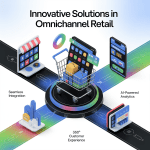
At its heart, omnichannel retail is a customer-centric approach that integrates all available sales and communication channels to create a single, cohesive, and continuous customer journey.
Unlike traditional retail models where channels operate in silos, omnichannel ensures that the customer’s experience is seamless, regardless of whether they are interacting with a brand online, in a physical store, via mobile app, social media, email, or even through customer service.
The crucial distinction lies in the customer’s perspective.
An omnichannel strategy doesn’t just make multiple channels available; it makes them work together to provide a consistent brand experience and effortless transitions between these channels.
The customer doesn’t perceive individual channels; they perceive a single, unified brand.
Omnichannel vs. Multichannel: A Critical Distinction
While often used interchangeably, omnichannel and multichannel are distinctly different. Understanding this difference is vital for any business looking to optimize its customer experience.
Multichannel Retail:
This approach focuses on making multiple channels available to the customer. A business might have a physical store, an e-commerce website, and a social media presence.
However, these channels often operate independently, with limited or no communication between them.
For instance, inventory information might not be synchronized, loyalty points earned online might not be redeemable in-store, and customer service interactions may not have visibility across different platforms.
The customer is responsible for navigating between these disparate channels.
Omnichannel Retail:
This approach takes multichannel to the next level by integrating all channels around the customer.
The customer’s data, preferences, and journey are tracked and shared across every touchpoint.
This means a customer can start shopping on their mobile app, add items to their cart, continue browsing on a desktop, pick up the order in-store, and later receive a personalized email based on their entire purchasing history.
The experience is frictionless, personalized, and consistent, regardless of the channel.
The focus shifts from “where can the customer buy?” to “how can we make the customer’s entire journey effortless and personalized?“
Analogy: Think of multichannel as a set of different roads leading to the same destination, but each road is isolated.
Omnichannel is like a sophisticated highway system where all roads are interconnected, and a single navigation system guides you seamlessly from start to finish, regardless of which road you’re on.
The Irresistible Benefits of an Omnichannel Strategy
Implementing a robust omnichannel strategy yields a multitude of advantages that directly impact customer satisfaction, loyalty, and ultimately, a business’s bottom line.
-
Enhanced Customer Experience (CX): This is the paramount benefit. By providing a consistent, personalized, and seamless journey, businesses reduce friction and frustration for customers. This leads to higher satisfaction and a more positive perception of the brand.
-
Increased Customer Loyalty and Retention: When customers feel understood and valued, they are more likely to return. Omnichannel fosters deeper relationships by remembering preferences, purchase history, and interactions, making customers feel recognized across all touchpoints.
-
Higher Sales and Revenue: A frictionless buying process encourages more purchases. Customers are less likely to abandon carts or get frustrated when they can easily transition between channels. Personalized recommendations and targeted promotions also drive impulse buys and repeat business.
-
Improved Customer Data Collection and Insights: By integrating data from all channels, businesses gain a holistic view of customer behavior. This unified data allows for more accurate segmentation, predictive analytics, and a deeper understanding of customer preferences, leading to more effective marketing and product development.
-
Optimized Inventory Management: Real-time visibility across all inventory locations (stores, warehouses, online) allows for more efficient stock allocation, reduced waste, and the ability to offer services like “buy online, pick up in-store” (BOPIS) or “ship from store.“
-
Greater Operational Efficiency: While initial setup can be complex, a well-integrated omnichannel system can streamline operations, reduce manual errors, and improve communication across departments (sales, marketing, customer service).
-
Stronger Brand Consistency: Every interaction, regardless of channel, reinforces the brand’s identity, voice, and values, building trust and recognition.
-
Competitive Advantage: In today’s crowded marketplace, omnichannel is no longer a luxury but a necessity. Businesses that master it stand out from competitors still operating in a fragmented multichannel environment.
Core Components of an Omnichannel Ecosystem
Building an effective omnichannel strategy requires careful consideration and integration of several key components:
-
Unified Customer Data Platform (CDP): This is the absolute cornerstone. A CDP collects, unifies, and organizes customer data from all touchpoints (website visits, app usage, in-store purchases, email interactions, social media, customer service calls) into a single, comprehensive customer profile. This unified profile is accessible across all channels, enabling personalized experiences.
-
Robust E-commerce Platform: A flexible and scalable e-commerce platform that can integrate with other systems is crucial. It should support various payment options, detailed product information, and seamless order management.
-
Point of Sale (POS) System Integration: The in-store POS system must be integrated with the online platforms to share inventory data, customer loyalty information, and purchase history. This allows for features like online returns in-store or looking up a customer’s online wish list during an in-store visit.
-
Customer Relationship Management (CRM) System: A CRM system manages customer interactions and relationships. In an omnichannel context, the CRM should be fed by the CDP and integrate with all communication channels to provide customer service agents with a complete view of past interactions.
-
Marketing Automation Platform: This platform enables personalized and automated communication across various channels (email, SMS, social media, push notifications) based on customer behavior and preferences. It’s essential for delivering targeted promotions and relevant content.
-
Inventory Management System (IMS): A centralized IMS provides real-time visibility into stock levels across all locations. This is critical for fulfilling orders efficiently, offering BOPIS, and avoiding overselling.
-
Order Management System (OMS): An OMS tracks orders from placement to fulfillment, coordinating between various inventory locations and shipping providers. It’s vital for managing complex fulfillment options like ship-from-store.
-
Mobile App (Optional but Recommended): A dedicated mobile app can serve as a powerful touchpoint, offering exclusive features, personalized content, and convenient access to account information and in-store tools (e.g., product scanners).
-
Social Media Integration: Beyond just presence, true integration means using social media as a customer service channel, a feedback loop, and a source of customer insights, with interactions feeding back into the CDP.
Implementing an Omnichannel Strategy: A Step-by-Step Guide
Embarking on an omnichannel journey requires a strategic and methodical approach.
-
Audit Existing Channels and Customer Journey:
-
Map out every single customer touchpoint, from initial discovery to post-purchase support.
-
Identify pain points and inconsistencies in the current customer journey.
-
Assess the current state of data silos and integration capabilities.
-
-
Define Your Ideal Customer Journey:
-
Based on your audit, envision the seamless experience you want to provide.
-
Identify key moments where customers typically switch channels and how you can make those transitions smoother.
-
Focus on what the customer needs and expects at each stage.
-
-
Invest in Core Technologies:
-
Prioritize a robust CDP, integrated e-commerce platform, and a comprehensive CRM.
-
Ensure your POS and IMS systems can integrate with your chosen platforms.
-
Consider cloud-based solutions for scalability and easier integration.
-
-
Unify Data and Analytics:
-
Break down data silos by implementing your CDP.
-
Establish clear data governance policies to ensure data accuracy and privacy.
-
Implement analytics tools to track customer behavior across all channels and measure the effectiveness of your omnichannel efforts.
-
-
Integrate Teams and Processes:
-
Omnichannel isn’t just about technology; it’s about people.
-
Foster collaboration between marketing, sales, customer service, and IT teams.
-
Develop standardized processes for handling customer interactions across different channels.
-
Train employees on the new systems and the importance of a unified customer experience.
-
-
Pilot and Iterate:
-
Start with a smaller pilot program or focus on integrating a few key channels first.
-
Gather feedback, analyze performance metrics, and make continuous improvements.
-
Omnichannel is an ongoing journey, not a one-time project.
-
-
Personalize at Every Touchpoint:
-
Leverage your unified customer data to offer personalized recommendations, promotions, and content.
-
Tailor communications based on past interactions, browsing history, and purchase behavior.
-
Remember that personalization should feel helpful, not intrusive.
-
Common Challenges and How to Overcome Them
Implementing omnichannel is not without its hurdles. Being aware of these challenges can help businesses prepare and mitigate risks.
-
Data Silos: The biggest challenge. Data fragmented across different systems prevents a unified customer view.
-
Solution: Invest in a strong CDP to aggregate and normalize data from all sources. Implement APIs for seamless data exchange between systems.
-
-
Legacy Systems: Older, outdated systems can be difficult and costly to integrate with modern omnichannel platforms.
-
Solution: Evaluate the cost of replacing or upgrading legacy systems versus the benefits of true omnichannel. Consider phased migrations or middleware solutions to bridge gaps temporarily.
-
-
Organizational Silos and Lack of Collaboration: Departments working independently can hinder a unified customer experience.
-
Solution: Foster a customer-centric culture. Implement cross-functional teams, regular communication, and shared KPIs to align goals across departments.
-
-
Budget and Resource Constraints: Omnichannel implementation can be a significant investment in technology and training.
-
Solution: Start small, prioritize key channels and functionalities that offer the highest ROI. Build a compelling business case to secure necessary funding.
-
-
Measuring ROI: Attributing sales and loyalty to specific omnichannel initiatives can be complex.
-
Solution: Implement comprehensive analytics. Define clear metrics and KPIs (e.g., customer lifetime value, repeat purchase rate, cross-channel conversion rates) and use attribution models to understand impact.
-
-
Maintaining Consistency Across Channels: Ensuring brand voice, messaging, and service quality are uniform everywhere.
-
Solution: Develop clear brand guidelines and training for all employees. Utilize content management systems that can publish across multiple channels.
-
The Future of Omnichannel Retail
Omnichannel is not a fleeting trend; it’s the standard for modern commerce. Its future will likely see even deeper integration and sophistication:
-
Hyper-Personalization: Leveraging AI and machine learning to deliver truly one-to-one experiences, anticipating customer needs before they even articulate them.
-
Voice Commerce and Conversational AI: Integrating smart speakers and chatbots more deeply into the customer journey for seamless interactions and purchases.
-
Augmented Reality (AR) and Virtual Reality (VR): Enhancing product visualization and immersive shopping experiences, blurring the lines between physical and digital.
-
IoT (Internet of Things) Integration: Connecting smart devices to the retail ecosystem for automated reordering, personalized notifications, and contextual experiences.
-
Predictive Analytics for Proactive Service: Using data to anticipate potential customer issues and offer solutions before they arise, further enhancing the seamless experience.
-
Sustainable and Ethical Omnichannel: Customers increasingly demand transparency. Future omnichannel strategies will integrate information about product origins, ethical sourcing, and environmental impact across all touchpoints.
Conclusion
Omnichannel retail is more than just a buzzword; it’s a strategic imperative for businesses aiming to thrive in the competitive landscape.
By relentlessly focusing on the customer, breaking down silos, and leveraging integrated technology, companies can build richer relationships, drive greater loyalty, and unlock significant growth.
The journey to a truly seamless omnichannel experience is complex and continuous, but the rewards of a truly unified, customer-centric approach are undeniable and essential for long-term success.
Additional Articles:
Discoveries and Opportunities in Omnichannel Retail