Omnichannel Retail Mastery: Hidden Gems, Advanced Methodologies, and Deep-Dive Analysis into Consumer Behavior
In the age of hyperconnectivity, retail success no longer hinges solely on having an online presence or an attractive storefront.
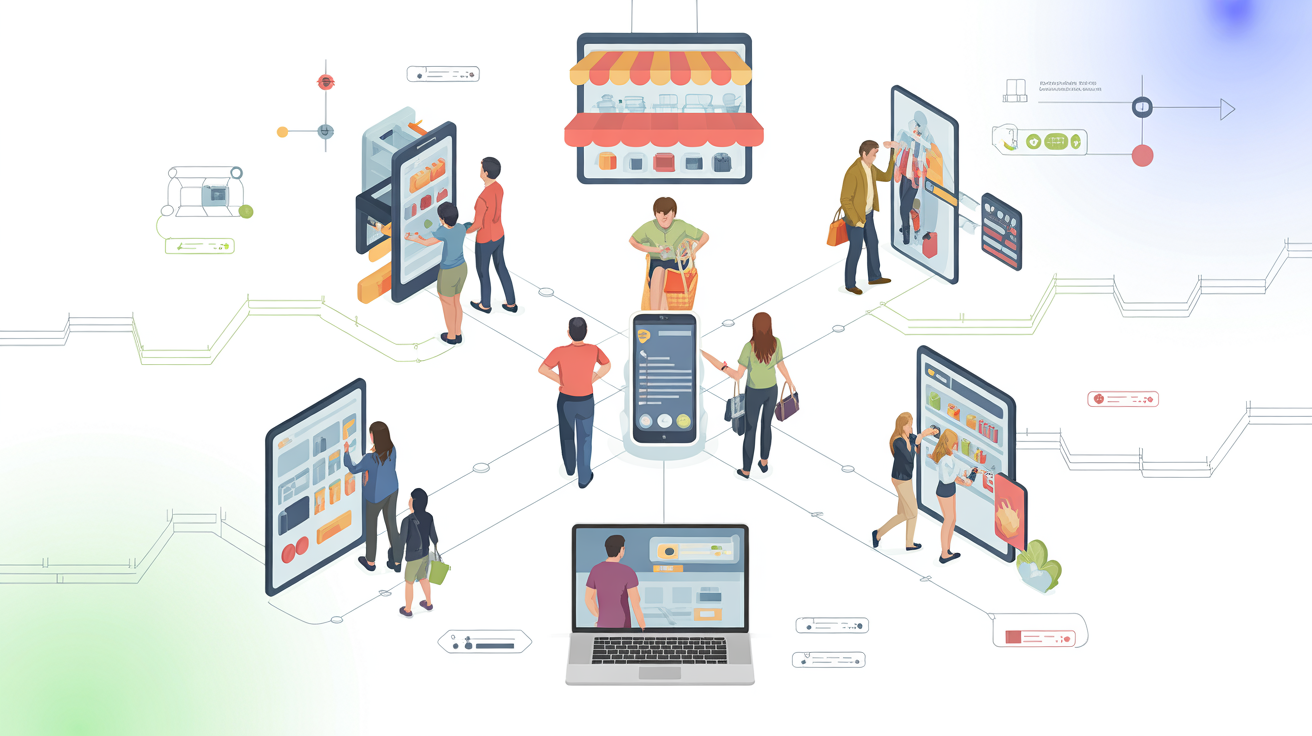
Instead, the new competitive advantage lies in a brand’s ability to unify every customer touchpoint—from web to mobile to in-store—into one seamless, responsive experience.
This level of sophistication in omnichannel retailing doesn’t happen by chance.
It’s the product of hidden gems in strategy, advanced methodologies in execution, and deep-dive analysis into ever-shifting customer behavior.
Let’s explore the lesser-known but high-impact practices that elite retailers are using to not only meet customer expectations but exceed them—before those expectations are even fully formed.
Hidden Gem #1: Behavioral Triggers That Span Channels
One of the most powerful but underutilized tactics in omnichannel retailing is the use of cross-channel behavioral triggers.
While most brands have email workflows or abandoned cart notifications, advanced retailers go much deeper.
They map customer behavior across devices and locations, triggering automated actions based on highly specific user signals. For instance:
-
A customer views a product on mobile, walks into a store, and receives an in-app notification offering an exclusive in-store discount for that item.
-
After returning a product in-store, a customer receives a personalized recommendation via email for a similar item with better ratings.
These subtle behavioral links between actions and reactions make the brand feel “aware” and connected across every customer move. It’s not about surveillance—it’s about relevance.
Hidden Gem #2: Unified Product Storytelling Across Channels
Top retailers don’t just sync inventory or marketing messages—they sync narratives.
A product isn’t described differently on Instagram than it is in-store or on the website.
Instead, there’s a consistent, evolving story told across channels, adapted for context but unified in voice.
This might include:
-
Using customer-generated content in both online and in-store displays.
-
Featuring the same influencer who promoted a product online in video screens at physical store locations.
-
Aligning in-store merchandising with seasonal digital campaigns.
This storytelling alignment builds emotional resonance and brand continuity that encourages purchase confidence and brand loyalty.
Advanced Methodology #1: Channel-Neutral Data Models
The backbone of omnichannel success isn’t simply collecting data—it’s organizing it in a way that sees the customer holistically.
Sophisticated retailers are abandoning channel-specific databases in favor of channel-neutral data models.
Instead of logging a mobile purchase or desktop browsing session in isolation, every interaction is linked to a unified customer profile.
With this model in place, brands can answer high-value questions like:
-
What is the full lifetime value of a customer who shops in-store monthly and online quarterly?
-
Does SMS or email convert better for customers who previously made their first purchase via mobile?
-
How do return rates vary by channel and customer cohort?
These insights drive smarter segmentation, more effective targeting, and ultimately a more seamless customer experience.
Advanced Methodology #2: Adaptive UX Design Based on Cross-Device Behavior
While responsive design is now standard, adaptive user experiences based on behavioral trends are the next leap forward.
Elite retailers track how users navigate the brand across different devices and dynamically adjust the interface to meet those patterns. Examples include:
-
A customer who often shops via mobile may see simplified navigation and quicker checkout options.
-
Users who frequently add items to a wishlist on desktop but convert on tablet get personalized reminders or nudges on their preferred device.
This real-time UX adaptation ensures friction is minimized and conversion is optimized—not based on assumptions, but on real behavioral data.
Deep-Dive Analysis: Understanding Modern Omnichannel Shoppers
Consumer behavior isn’t static. As technology, media, and societal norms shift, so too do shopping patterns. Here are key trends revealed through deep-dive customer data analysis:
1. Shoppers Are Increasingly Channel-Agnostic
Consumers no longer think in terms of “online” vs. “offline.” They simply want the most convenient, engaging, and trustworthy path to purchase.
73% of customers use multiple channels during their shopping journey—and expect their data and preferences to move with them.
2. The Mobile-First Mindset Is Evolving Into Multi-Moment Shopping
Mobile isn’t just for on-the-go shopping anymore. It’s become the glue connecting all other experiences.
Customers research on their phones while watching TV, compare prices in-store via apps, and expect post-purchase support via chat or SMS.
3. Friction-Free Returns Drive More Confident Purchases
Deep analysis reveals that return policies don’t just affect post-purchase behavior—they influence purchase intent.
Customers who know they can return in-store or via easy online tools are significantly more likely to complete purchases—especially for higher-ticket items.
4. AI Personalization Boosts Retention—But Only When Transparent
AI-driven personalization improves email open rates, ad engagement, and conversion metrics. However, customers respond best when personalization is transparent and opt-in.
Hidden or overly intrusive tactics can actually degrade trust and hurt lifetime value.
Strategic Implication: Omnichannel Isn’t About Being Everywhere—It’s About Being Aligned
It’s tempting to think that omnichannel success means expanding into every possible touchpoint. But the real power lies in alignment, not expansion.
Alignment of messaging, of data, of customer understanding, and of operational processes creates the kind of seamless experience that builds loyalty.
It ensures that whether a customer interacts with your brand via Instagram ad, in-store associate, website chat, or email promotion—they feel recognized, respected, and understood.
Bonus Hidden Gem: In-Store Data as a Digital Asset
Retailers often treat online data as rich and actionable, while in-store data gets ignored or underutilized. However, elite retailers are turning in-store behavior into a digital asset.
Using Wi-Fi tracking, RFID, and associate app inputs, they track:
-
Dwell time in front of displays
-
Product engagement (e.g., try-ons, pickups)
-
Customer questions asked to staff
-
Physical movement through the store
This data is then layered into the customer profile and used for retargeting, segmentation, and product development.
Imagine retargeting an online ad not just based on what a customer clicked—but based on the physical items they touched in your store. That’s omnichannel retail at its most advanced.
Final Word: Elevating Omnichannel from Functional to Transformational
Omnichannel retailing, when done right, isn’t just about connecting channels. It’s about reshaping the customer relationship.
By uncovering hidden gems, applying advanced methodologies, and deeply analyzing customer behavior, brands can elevate their strategy from merely functional to truly transformational.
And in a world where shoppers expect magic—whether they’re swiping, tapping, speaking, or strolling—only those who operate at this higher level of integration and insight will stand out, win loyalty, and lead the future of retail.