Common Myths
Omnichannel customer experience has become one of the most talked-about strategies in modern business.
From retail and e-commerce to banking and healthcare, organizations are striving to deliver seamless interactions across multiple touchpoints.
However, as the concept has gained popularity, it has also become surrounded by misconceptions, outdated assumptions, and oversimplified advice.
To truly excel, businesses must look beyond conventional wisdom, uncover myth-busting facts, and adopt uncommon solutions that set them apart.
Unified and Consistent Journey
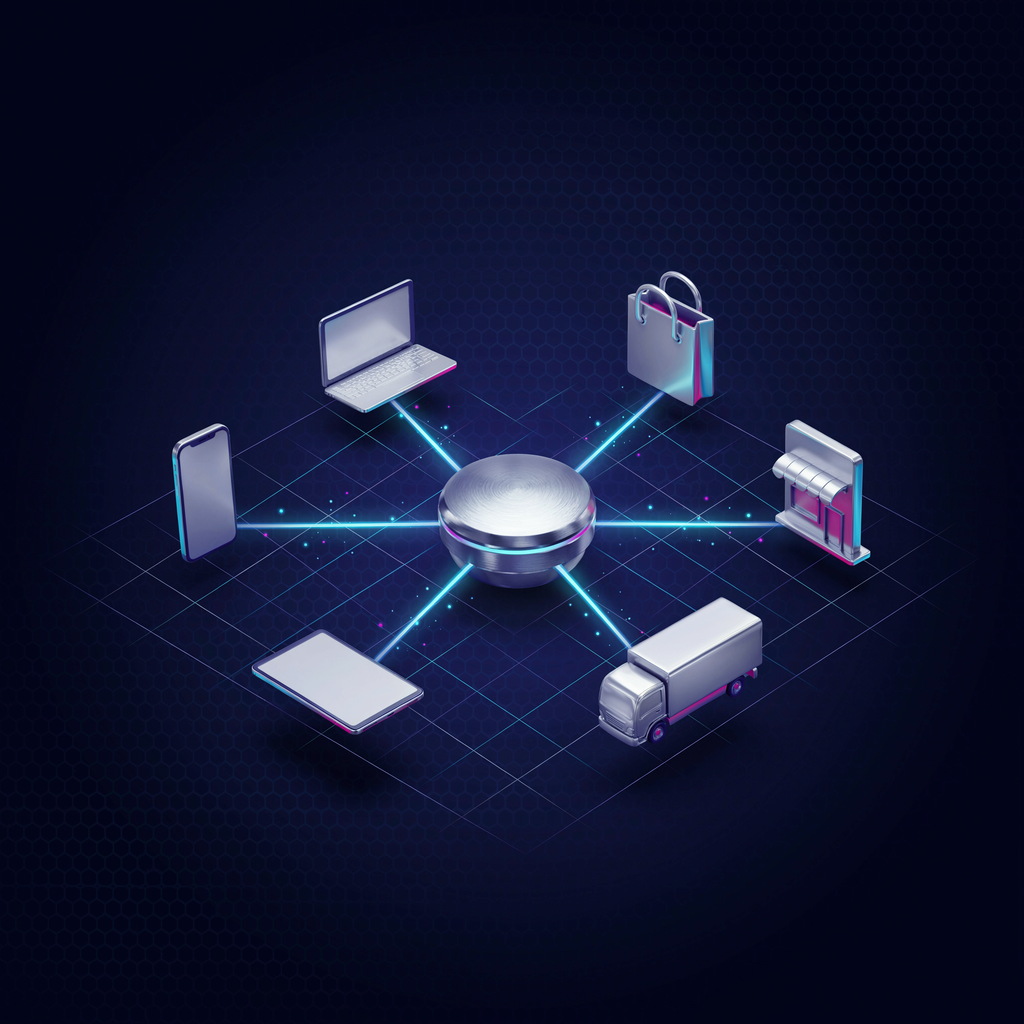
At its core, omnichannel customer experience is about creating a unified and consistent journey across all channels—digital and physical.
Yet one of the most common myths is that simply being present on multiple platforms equates to an effective omnichannel strategy.
In reality, having a website, mobile app, and social media presence is just the starting point.
The true value lies in how these channels are connected and how seamlessly customers can move between them.
Another widespread misconception is that technology alone can solve all omnichannel challenges.
While advanced tools such as customer data platforms, AI-driven analytics, and automation systems are essential, they are only enablers.
Without a clear strategy and a customer-centric mindset, even the most sophisticated technology will fall short.
Businesses must focus on understanding customer needs, behaviors, and expectations before implementing technological solutions.
A myth that often misleads organizations is the idea that omnichannel personalization is only about data collection.
While data is critical, the real challenge lies in interpreting and applying it effectively. Collecting vast amounts of data without actionable insights can lead to complexity and inefficiency.
Myth-busting facts reveal that successful personalization depends on quality over quantity—using relevant, accurate, and timely data to deliver meaningful experiences.
Conventional wisdom often suggests that consistency means uniformity across all channels. However, this approach can limit the effectiveness of omnichannel strategies.
Customers interact with different channels in different contexts, and each channel has its own strengths.
An uncommon solution is to maintain consistency in brand identity and messaging while adapting the experience to suit each channel.
For example, a mobile app may prioritize speed and simplicity, while a website can offer more detailed information.
Another myth is that customers prefer digital channels over physical ones.
While digital interactions have grown significantly, physical experiences still play a crucial role in many industries.
The reality is that customers value flexibility and choice. They want the ability to switch between channels based on their needs.
Businesses that integrate digital and physical experiences—often referred to as “phygital” strategies—are better positioned to meet these expectations.
A lesser-known fact is that friction is not always negative. Conventional wisdom focuses on eliminating friction entirely, but some forms of friction can enhance the experience.
For example, adding a confirmation step before a purchase can reduce errors and increase confidence.
The key is to distinguish between harmful friction that disrupts the journey and beneficial friction that adds value.
Another myth is that omnichannel strategies are only relevant for large enterprises.
While it’s true that implementing advanced systems requires resources, small and medium-sized businesses can also benefit from omnichannel approaches.
In fact, smaller organizations often have the advantage of agility, allowing them to experiment with uncommon solutions and adapt quickly to customer needs.
One of the most overlooked aspects of omnichannel customer experience is the role of employees.
Conventional wisdom tends to focus on customer-facing technologies, but employees are a critical part of the equation.
Empowering staff with the right tools, training, and information enables them to deliver personalized and consistent experiences.
For example, providing customer service representatives with access to interaction history allows them to resolve issues more efficiently.
Another myth worth debunking is the belief that automation reduces the quality of customer interactions.
While poorly implemented automation can feel impersonal, well-designed systems can enhance the experience.
Automation can handle routine tasks, provide instant responses, and ensure consistency, freeing up human agents to focus on more complex and meaningful interactions.
The key is to strike the right balance between automation and human touch.
Beyond conventional wisdom, businesses are discovering uncommon solutions that drive exceptional results. One such approach is intent-driven design. Instead of organizing experiences around channels, companies focus on what customers are trying to achieve. This perspective allows for more intuitive and seamless journeys, as interactions are tailored to specific goals rather than predefined paths.
Another innovative solution is the use of real-time engagement.
Traditional strategies often rely on scheduled campaigns, but real-time interactions are becoming increasingly important.
Whether it’s responding to a customer inquiry तुरंत or delivering personalized recommendations based on current behavior, real-time engagement creates a sense of immediacy and relevance.
A myth that persists is that customer journeys can be fully mapped and controlled. In reality, customer behavior is unpredictable and constantly evolving.
Instead of trying to control every step, businesses should focus on creating flexible frameworks that can adapt to different scenarios.
This requires a combination of data analysis, predictive modeling, and continuous optimization.
Another uncommon solution is leveraging customer feedback as a central component of the omnichannel strategy.
While many organizations collect feedback, few integrate it effectively into their decision-making processes.
By actively listening to customers and using their insights to refine experiences, businesses can create more relevant and impactful interactions.
Security and privacy are often viewed as compliance requirements rather than strategic advantages.
However, myth-busting facts show that customers are more likely to engage with brands they trust.
Transparent data practices, clear communication, and robust security measures can differentiate a brand and build long-term loyalty.
Another area where conventional wisdom falls short is in measuring success. Many businesses focus on isolated metrics such as website traffic or social media engagement.
However, omnichannel success requires a holistic approach.
Metrics such as customer lifetime value, cross-channel engagement, and retention rates provide a more comprehensive view of performance.
An emerging solution is the use of predictive analytics to anticipate customer needs. Instead of reacting to past behavior, businesses can proactively engage customers based on future.
For example, identifying when a customer is likely to churn and offering targeted incentives can improve retention and satisfaction.
Another myth is that implementing an omnichannel strategy is a one-time effort. In reality, it is an ongoing process that requires continuous improvement.
Customer expectations, technologies, and market conditions are constantly changing, making it essential to regularly evaluate and refine strategies.
The integration of emerging technologies is also challenging conventional approaches.
From artificial intelligence and machine learning to augmented reality and voice interfaces, these tools are enabling new ways to engage customers.
Businesses that embrace these innovations can create more immersive and personalized experiences.
Ultimately, succeeding in omnichannel customer experience requires a willingness to challenge assumptions and think differently.
By debunking myths, moving beyond conventional wisdom, and embracing uncommon solutions, organizations can create experiences that truly resonate with their customers.
As the landscape continues to evolve, those who question the status quo and explore new possibilities will be the ones who lead.
The path to exceptional omnichannel experiences is not about following trends—it’s about understanding what truly matters to customers and delivering it in ways that exceed expectations.