Omnichannel Retailing: Insider Knowledge, Game-Changing Insights, and Advanced Strategies for Modern Success
In today’s fast-evolving retail landscape, the term omnichannel retailing has shifted from a buzzword to a fundamental strategy for success.
With customers demanding seamless experiences across digital and physical touchpoints, retailers are under immense pressure to deliver.
Those who rise to the challenge aren’t just keeping up—they’re excelling by tapping into insider knowledge, implementing game-changing insights, and deploying advanced strategies that separate the top-tier performers from the rest.
Let’s explore how the most successful retailers are mastering omnichannel retailing and how you can apply their cutting-edge tactics to gain a competitive edge.
The Foundation: What Is Omnichannel Retailing?
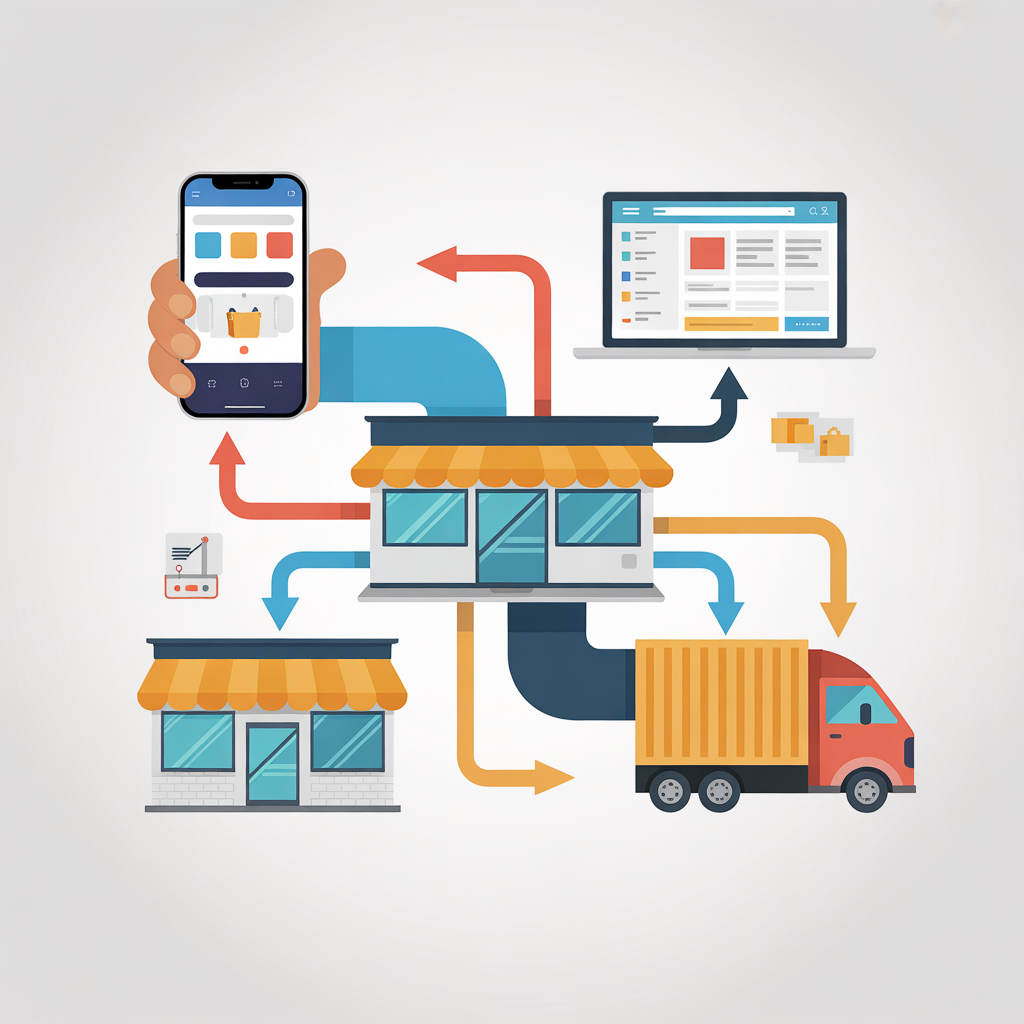
Omnichannel retailing refers to an integrated approach to sales and marketing that provides customers with a unified experience across all channels—whether they’re shopping online from a mobile device, browsing on a laptop, or visiting a physical store.
Unlike multichannel retailing, which often manages channels separately, omnichannel retailing focuses on interconnectivity, ensuring that all touchpoints communicate and complement one another.
At the heart of this model is the customer. Every strategic decision is made to enhance their journey, eliminate friction, and personalize engagement at scale.
Insider Knowledge: The Silent Drivers of Omnichannel Success
Retailers succeeding in omnichannel aren’t just reacting to trends—they’re steering them, thanks to deep insider knowledge. Here’s what they know that others often overlook:
1. Inventory Visibility Is Non-Negotiable
Top retailers know that centralized inventory management is the backbone of a successful omnichannel operation.
Without real-time visibility, it’s impossible to fulfill orders accurately across channels.
Companies like Target and Best Buy have invested heavily in systems that give both customers and staff an exact picture of product availability—down to the last unit.
2. The Power of Customer Data Integration
Knowing your customer isn’t enough. Leading retailers integrate behavioral, transactional, and contextual data from every touchpoint to build holistic customer profiles.
This insight drives personalized experiences, product recommendations, and predictive marketing campaigns that feel intuitive and timely.
3. Employee Empowerment Through Technology
Forward-thinking retailers equip in-store staff with tools that provide access to customer history, preferences, and real-time inventory.
This transforms the role of sales associates from clerks to consultants, enhancing both customer experience and conversion rates.
Game-Changing Insights: Innovations That Redefine the Norm
Some insights reshape the entire approach to omnichannel retail. These aren’t tweaks—they’re transformations:
1. Physical Stores as Fulfillment Hubs
Retailers like Walmart and Nordstrom have redefined the role of physical stores by turning them into mini-warehouses.
This hybrid model supports buy-online-pickup-in-store (BOPIS), same-day delivery, and easy returns, making logistics faster and more cost-effective.
2. Context-Aware Engagement
One-size-fits-all messaging is obsolete.
Smart retailers use AI to deliver context-aware engagement—such as offering a coupon the moment a customer enters a store or following up an online cart abandonment with a personalized SMS.
This real-time relevancy boosts both loyalty and conversions.
3. The Rise of Shoppable Media
With the explosion of social commerce, brands are integrating purchase paths directly into content.
Platforms like Instagram, TikTok, and YouTube now support native shopping experiences, making discovery and conversion seamless in the scroll.
Advanced Strategies: From Vision to Execution
While many understand the value of omnichannel, few execute it effectively. Here are the advanced strategies that top performers use to deliver on their vision:
1. Unified Commerce Platforms
Instead of cobbling together separate systems for e-commerce, POS, CRM, and marketing, leading retailers use unified commerce platforms.
This ensures real-time data sharing, streamlined workflows, and better decision-making at every level.
2. Customer Journey Orchestration
Mapping the customer journey is no longer a luxury—it’s a necessity.
Advanced brands use journey orchestration tools to design, analyze, and refine every interaction, ensuring each touchpoint builds on the last to drive customers toward conversion.
3. Omnichannel Loyalty Programs
Modern loyalty goes beyond points.
Elite retailers design loyalty programs that reward engagement across channels—whether it’s an Instagram comment, an in-store visit, or a referral.
These programs foster community and drive deeper emotional connections.
Case Study Highlights: Real-World Examples
Sephora is a textbook example of omnichannel done right. The beauty giant links its app, website, and physical stores with seamless continuity.
Customers can use in-store tablets to access their beauty profiles, scan products to read reviews, and apply digital coupons automatically at checkout—online or offline.
Nike has reimagined retail through its SNKRS app, personalized membership program, and digitally connected stores.
By integrating digital experiences into physical environments, Nike has created a lifestyle ecosystem rather than just a shopping platform.
Starbucks leverages mobile ordering, location-based promotions, and a dynamic loyalty program to create a frictionless omnichannel journey.
Their app not only facilitates payment and ordering but integrates personalized offers based on purchase history and location.
Common Pitfalls and How to Avoid Them
Even as the benefits of omnichannel retailing become clear, many brands stumble due to avoidable missteps:
-
Siloed Data and Departments
When marketing, IT, and operations don’t communicate, it creates inconsistencies that frustrate customers. Cross-functional alignment is crucial. -
Neglecting Mobile Optimization
A poor mobile experience is a deal-breaker. Every omnichannel touchpoint must be mobile-first and fully responsive. -
Overlooking the Human Element
Technology enables omnichannel, but human interaction enhances it. The best experiences blend automation with authentic, personalized service.
The Future of Omnichannel Retailing
Looking ahead, the most successful retailers will not only connect channels—they’ll anticipate customer needs before they arise.
Expect to see more investment in predictive analytics, immersive retail tech like AR/VR, and hyper-personalized marketing driven by machine learning.
AI will become the silent orchestrator behind omnichannel strategies, ensuring that every message, offer, and experience feels uniquely tailored.
Meanwhile, sustainability and ethical sourcing will increasingly influence the omnichannel narrative, with transparency becoming a key brand differentiator.
Final Thoughts
Omnichannel retailing isn’t just about being everywhere—it’s about being everywhere strategically.
With the right insider knowledge, game-changing insights, and advanced strategies, brands can create experiences that not only meet but exceed customer expectations.
As consumer behavior continues to evolve, those who invest in seamless integration, intelligent personalization, and agile innovation will lead the future of retail.