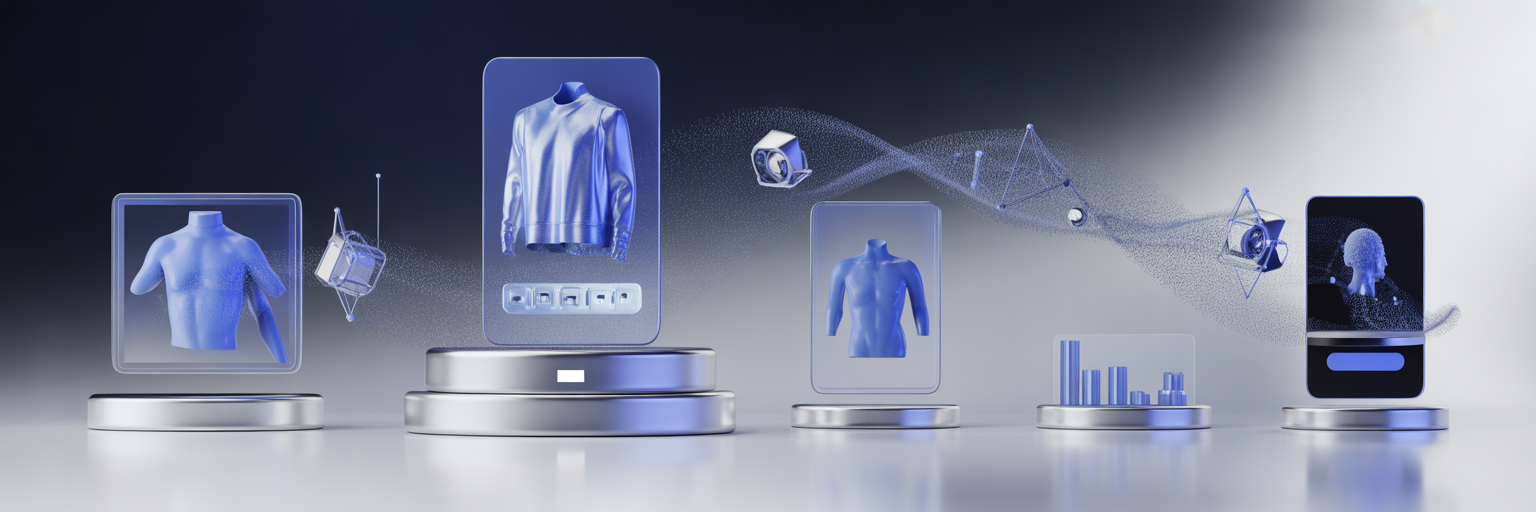

Unconventional Omnichannel Retail: Ninja Tactics and Untapped Potential That Create Unmatched Customer Experiences
In the competitive realm of modern retail, mastering the basics of omnichannel is no longer enough.
Leading brands are pushing past conventional strategies and into unconventional territory—deploying ninja-level tactics and uncovering untapped potential to build experiences that go far beyond customer expectations.
While many retailers are stuck replicating the same loyalty programs, cross-channel messaging, and BOPIS models, innovative companies are experimenting with bold, often overlooked approaches.
These tactics don’t just improve performance—they redefine the customer experience.
If you’re looking to create a truly unforgettable, frictionless, and emotionally resonant brand experience, this is the kind of omnichannel blueprint you’ll want to explore.
Let’s dive into the unconventional strategies and stealthy ninja tactics that are unlocking new levels of customer connection—and transforming the omnichannel ecosystem.
Unconventional Approach #1: Micro-Moments as Conversion Catalysts
Most retail strategies focus on “big” moments—product pages, checkout flows, cart recovery. But what about the fleeting seconds in between?
Ninja retailers capitalize on micro-moments—those spontaneous bursts of intent when consumers turn to their devices for quick answers, discovery, or support. These might include:
-
A quick Google search for “best eco-friendly travel mug” on a coffee break.
-
A customer checking their loyalty points while waiting in line at a cafe.
-
A shopper seeing an Instagram story and clicking “learn more” while on the subway.
By mapping and targeting these moments with relevant content, personalized recommendations, or localized promotions, retailers can intercept intent and drive conversions in unexpected places.
Tools like dynamic content injection, smart push notifications, and real-time content optimization make these micro-interventions not only possible but powerful.
Ninja Tactic #1: Hidden Layer Loyalty Programs
While traditional loyalty programs rely on visible tiers and point systems, next-gen brands are experimenting with hidden layer loyalty—an approach where loyalty benefits are unlocked through behavioral triggers, not just purchases.
Examples include:
-
Unlocking early access or VIP experiences when a customer shares a product on social media.
-
Providing surprise rewards for engaging with a product review, educational video, or behind-the-scenes content.
-
Automatically upgrading shipping speed after a customer completes a certain number of store visits—even without making a purchase.
These ninja tactics aren’t broadcasted—they’re discovered. And that discovery creates delight, surprise, and emotional loyalty that rigid point systems rarely generate.
Unconventional Approach #2: Interactive In-Store Content Loops
Omnichannel isn’t just about using digital tools—it’s about making them interactive, contextual, and emotionally engaging.
One standout approach is content looping inside physical spaces.
Retailers like Nike and Glossier embed digital storytelling into their stores—think QR-enabled displays, interactive screens that feature live customer reviews, or augmented reality mirrors that showcase virtual product versions.
But the most unconventional twist? Allowing in-store actions to feed back into online engagement. For example:
-
Scanning a product in-store adds it to a customer’s online wishlist.
-
A customer playlist heard in-store unlocks a personalized Spotify list in the brand’s app.
-
Customers can “check in” to stores via mobile and earn digital badges, which unlock app-exclusive content.
These loops connect the physical and digital in both directions, reinforcing brand engagement through unexpected, playful experiences.
Ninja Tactic #2: AI-Powered “Soft” Personalization
Hard personalization—such as using first names or recent purchases—is now standard.
What’s flying under the radar is soft personalization—subtle tailoring of tone, visuals, and pacing based on inferred preferences.
For example:
-
Slower animations and calming colors for customers who browse methodically and return often.
-
Energetic copy and quick-loading visual carousels for customers with rapid session times.
-
Seasonal themes that match a user’s local weather, without prompting them to enter location data.
These micro-adaptations, powered by AI and behavioral analysis, enhance UX without shouting “we’re watching you.” Customers don’t always consciously notice—but they feel the difference.
Unconventional Approach #3: Smart Context Shifting
One of the trickiest omnichannel challenges is dealing with context switches—when a user jumps from one channel to another mid-journey. Most brands treat this as a disruption.
Next-level brands treat it as an opportunity.
Smart context shifting uses session continuity and predictive modeling to help customers pick up exactly where they left off, without friction. Think:
-
Browsing a sofa on mobile, then visiting a store where a staff member already knows which model the customer viewed—and can show fabric samples on the spot.
-
Abandoning checkout on desktop, then receiving a mobile push notification with an image of the exact product and a link to one-click checkout.
-
Engaging with a product in-store, then receiving an email an hour later with a “related items” lookbook and link to review your in-store visit.
The tactic? Treat each context switch as an invitation to enhance—not restart—the journey.
Ninja Tactic #3: Post-Purchase Omnichannel Journeys
Many retailers stop investing once the purchase is complete. That’s a mistake.
Ninja retailers use post-purchase omnichannel touchpoints to deepen relationships and drive repeat business.
Some unconventional examples:
-
An AR-powered app feature that walks users through how to use or install their product, reducing returns and increasing satisfaction.
-
A digital thank-you note from the in-store associate who helped the customer, sent via SMS or app message.
-
Auto-enrolling high-value purchasers into backstage communities or early product testing groups.
By extending the journey beyond the transaction, brands reinforce emotional engagement—and unlock untapped lifetime value.
Uncovering Untapped Potential: The Opportunity Gap
Why don’t more retailers use these tactics? The simple answer: they’re not obvious. These approaches require:
-
Cross-functional collaboration between data, UX, marketing, and ops teams.
-
A culture of experimentation.
-
Willingness to invest in under-measured or unconventional KPIs (such as emotional connection or in-store digital engagement rates).
But the potential payoff is immense. These tactics don’t just improve conversion—they reshape perception, turning transactional shoppers into brand believers.
Key Metrics to Track Unconventional Success
To measure these unconventional omnichannel wins, look beyond the standard funnel metrics. Consider tracking:
-
Cross-device continuity rate: How many users continue journeys across devices without dropping off?
-
In-store digital engagement rate: % of in-store visitors who engage with QR codes, kiosks, or app content.
-
Surprise reward open rates: Engagement with loyalty perks not announced in advance.
-
Context switch recovery rate: How often users pick up their journey within 24 hours on a different device or channel.
These KPIs don’t always show up on executive dashboards—but they’re leading indicators of future brand health and customer advocacy.
Final Thoughts: The Edge Belongs to the Bold
In a saturated market, mastering the expected won’t get you ahead. True omnichannel excellence requires curiosity, agility, and the courage to try what others overlook.
By deploying unconventional approaches and ninja-level tactics, forward-thinking retailers can unlock new levels of customer engagement and uncover potential hidden in plain sight.
As consumer expectations evolve and attention spans fragment, the brands that win will be the ones who don’t just follow the playbook—but rewrite it.