
Next Level Omnichannel Experience
The modern customer journey is no longer linear—it’s dynamic, multi-touch, and constantly evolving.
Consumers interact with brands across websites, mobile apps, social media, physical stores, and customer support channels, often switching between them seamlessly.
To keep up, businesses must move beyond basic multichannel presence and embrace next-level omnichannel customer experience strategies powered by cutting-edge techniques and clear strategic advantages.
Omnichannel customer experience is about delivering a unified, frictionless journey where every interaction feels connected and personalized.
While many companies have adopted foundational practices, the real competitive edge lies in advancing toward sophisticated, data-driven, and highly adaptive systems that anticipate and respond to customer needs in real time.
Hyper-Personalization
One of the most transformative cutting-edge techniques is the use of artificial intelligence and machine learning to drive hyper-personalization.
Traditional personalization focuses on segment-based targeting, but next-level strategies leverage AI to analyze individual behaviors, preferences, and real-time actions.
This enables businesses to deliver highly relevant content, product recommendations, and messaging tailored to each customer.
The result is a more engaging experience that significantly boosts conversion rates and customer satisfaction.
Data Synchronization
Another advanced technique is the implementation of real-time data synchronization across all channels.
In many organizations, customer data is still fragmented across systems, leading to inconsistent experiences.
By integrating platforms such as customer relationship management (CRM), e-commerce, and marketing automation tools, businesses can ensure that every interaction is informed by the latest data.
This allows customers to start a journey on one channel and continue it on another without disruption, creating a truly seamless experience.
Customer journey orchestration is another next-level approach that goes beyond simple touchpoint management.
It involves actively guiding customers through their journey using predictive insights and automated triggers.
For example, if a customer abandons a shopping cart, the system can automatically send a personalized reminder, offer a discount, or suggest alternative products.
This proactive engagement keeps customers moving forward and reduces drop-off rates.
One of the key strategic advantages of advanced omnichannel experiences is increased customer retention.
When customers feel understood and valued, they are more likely to remain loyal to a brand. Consistent and personalized interactions build trust, which is essential for long-term relationships.
Businesses that excel in omnichannel strategies often see higher lifetime value and repeat purchase rates compared to those that rely on fragmented approaches.
AR & VR
Another powerful technique is the integration of emerging technologies such as augmented reality (AR) and virtual reality (VR).
These tools enhance the customer experience by allowing users to interact with products in immersive ways.
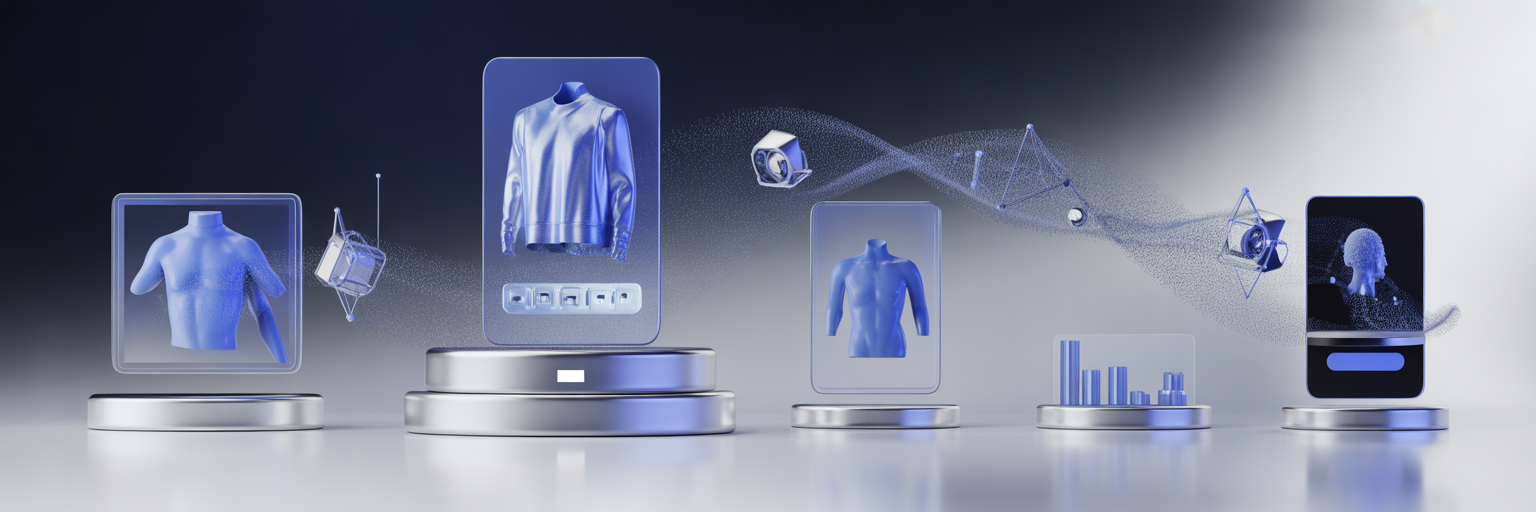
For example, customers can visualize furniture in their homes or try on clothing virtually before making a purchase.
This not only improves decision-making but also reduces returns and increases customer confidence.
Voice technology is also playing an increasingly important role in omnichannel experiences.
With the rise of smart speakers and voice assistants, customers are using voice commands to search for products, place orders, and interact with brands.
Integrating voice capabilities into your omnichannel strategy ensures that you remain accessible and relevant in this growing channel.
Another cutting-edge approach is the use of unified commerce platforms.
Unlike traditional systems that operate in silos, unified commerce brings together all aspects of the business—inventory, orders, customer data, and fulfillment—into a single platform.
This enables real-time visibility and coordination across channels, allowing businesses to deliver consistent and efficient experiences.
For example, customers can check product availability online and pick up items in-store without any discrepancies.
Decision Support
Data-driven decision-making is a cornerstone of next-level omnichannel strategies.
Advanced analytics tools allow businesses to track customer behavior, identify trends, and measure performance across channels.
These insights enable continuous optimization and innovation.
For instance, analyzing which channels drive the most conversions can help allocate resources more effectively and refine marketing strategies.
One of the often-overlooked strategic advantages is operational efficiency.
While implementing advanced omnichannel systems requires investment, it ultimately streamlines processes and reduces redundancies.
Automation of routine tasks, improved inventory management, and better coordination between teams lead to cost savings and increased productivity.
This efficiency allows businesses to focus on delivering exceptional customer experiences.
Seamless integration between online and offline channels is another hallmark of next-level omnichannel strategies.
Customers expect the same level of convenience and personalization whether they are shopping online or in a physical store.
Techniques such as click-and-collect, endless aisle kiosks, and mobile point-of-sale systems bridge the gap between digital and physical experiences.
This integration enhances flexibility and meets customers on their terms.
Customer Support
Customer support is also evolving with cutting-edge omnichannel techniques.
Businesses are adopting omnichannel support systems that unify communication channels such as email, chat, phone, and social media.
This ensures that customers receive consistent and efficient assistance regardless of how they reach out.
Additionally, AI-powered chatbots and virtual assistants provide instant support, improving response times and customer satisfaction.
Another strategic advantage of advanced omnichannel experiences is improved brand perception.
A seamless and personalized experience reflects a brand’s commitment to its customers. This not only enhances satisfaction but also encourages positive word-of-mouth and referrals.
In a competitive market, a strong reputation for customer experience can be a powerful differentiator.
Security & Privacy
Security and privacy are critical considerations in any omnichannel strategy. As businesses collect and utilize more customer data, they must ensure that it is handled responsibly.
Implementing robust security measures and maintaining transparency about data usage builds trust and protects the brand’s reputation.
Customers are more likely to engage with brands they trust, making security a key component of the overall experience.
Another emerging technique is the use of customer data platforms (CDPs) to create a single source of truth.
CDPs aggregate data from multiple sources and provide a unified view of each customer. This enables more accurate targeting, better segmentation, and more effective personalization.
By leveraging CDPs, businesses can deliver more relevant and meaningful interactions.
Continuous innovation is essential for staying ahead in the omnichannel landscape.
Customer expectations are constantly evolving, driven by technological advancements and changing behaviors. Businesses must remain agile and open to experimentation.
Testing new channels, adopting emerging technologies, and refining strategies based on feedback are all part of maintaining a competitive edge.
Measuring success in omnichannel customer experience requires a comprehensive approach.
Key metrics such as customer satisfaction, net promoter score (NPS), conversion rates, and retention rates provide valuable insights into performance.
Tracking these metrics across channels helps identify strengths and areas for improvement, enabling data-driven optimization.
Mindset
Ultimately, the shift toward next-level omnichannel customer experience is about more than technology—it’s about mindset.
It requires a customer-centric approach that prioritizes convenience, personalization, and consistency at every touchpoint.
By embracing cutting-edge techniques and leveraging strategic advantages, businesses can create experiences that not only meet but exceed customer expectations.
As the digital landscape continues to evolve, the opportunities for innovation in omnichannel customer experience will only expand.
Organizations that invest in advanced strategies today will be better positioned to adapt, grow, and lead in the future, delivering experiences that truly resonate with their customers.