In today’s hyper-connected digital landscape, customer expectations have evolved far beyond single-channel interactions.
Consumers now expect brands to meet them wherever they are—whether online, in-store, on mobile apps, or through social media—without friction or inconsistency.
This is where omnichannel customer experience becomes not just a competitive advantage, but a necessity.
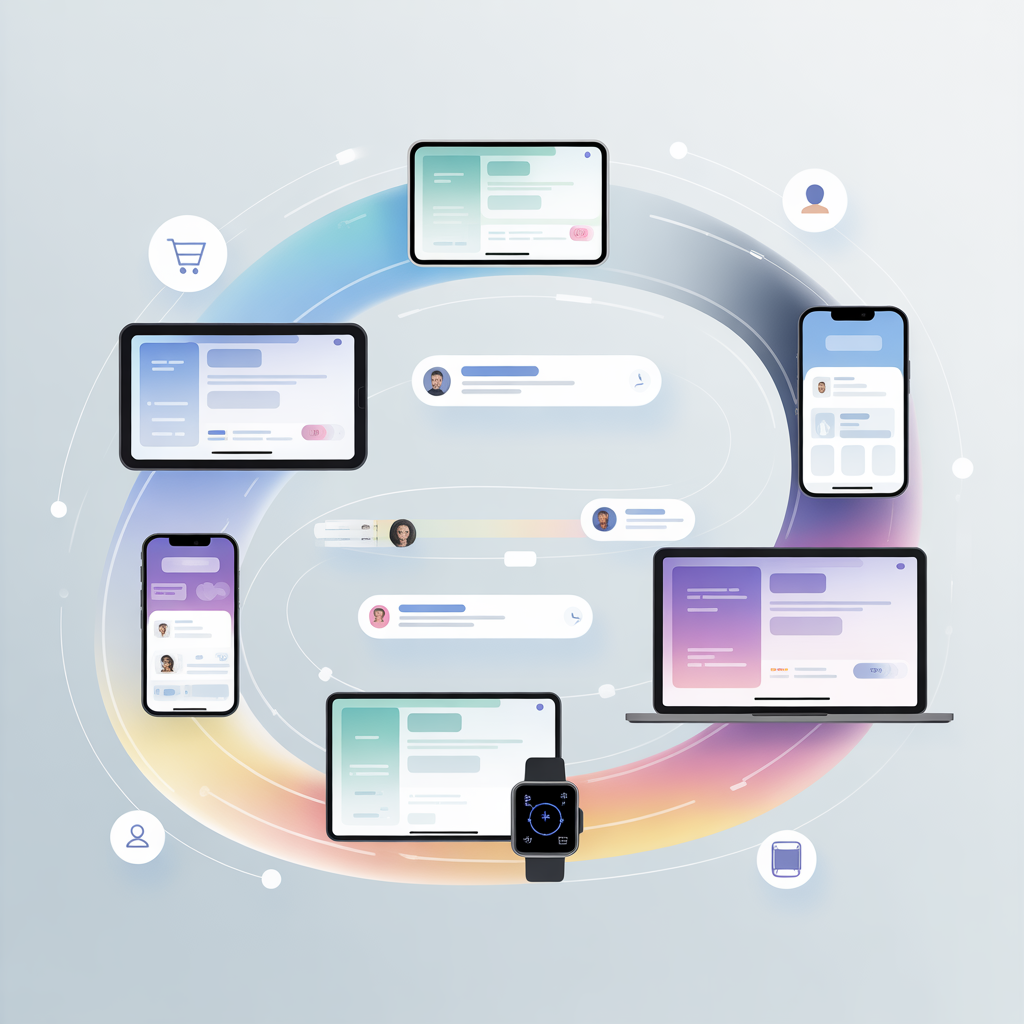
An omnichannel customer experience is about creating a seamless, unified journey across all touchpoints.
It ensures that customers can switch between channels effortlessly while receiving consistent messaging, personalized interactions, and uninterrupted service.
Businesses that master this approach are seeing higher engagement, stronger loyalty, and increased revenue.
Customer Journey
One of the most valuable insider tips for building a successful omnichannel experience is to start with a deep understanding of your customer journey.
Many companies make the mistake of focusing on channels rather than the customer.
Instead, mapping out every interaction—from awareness to post-purchase support—allows you to identify gaps, pain points, and opportunities for improvement.
This holistic view ensures that each touchpoint contributes to a cohesive experience.
Data Integration
Another key insider strategy is integrating your data systems. Fragmented data is one of the biggest obstacles to delivering a true omnichannel experience.
When customer information is siloed across departments, it becomes nearly impossible to provide personalized and consistent interactions.
By unifying data through a centralized platform, businesses can gain a 360-degree view of their customers.
This enables real-time personalization, smarter recommendations, and more meaningful engagement.
Personalization
Personalization itself is a game-changing idea that defines modern omnichannel success. Customers no longer respond to generic messaging.
They expect brands to understand their preferences, behaviors, and needs.
Advanced strategies involve using AI and machine learning to analyze customer data and deliver tailored experiences at scale.
Whether it’s personalized email campaigns, product recommendations, or targeted ads, the ability to deliver relevant content at the right time significantly enhances customer satisfaction.
Cross Channel Consistency
Consistency across channels is another critical factor. Customers should feel like they are interacting with the same brand, regardless of the platform.
This includes consistent branding, tone of voice, pricing, and service quality.
For example, a customer who adds items to their cart on a mobile app should be able to complete the purchase seamlessly on a desktop or in-store without having to start over.
Achieving this level of consistency requires careful coordination between teams and systems.
Real-Time Engagement
One advanced strategy that leading companies are adopting is the use of real-time engagement tools.
Live chat, chatbots, and messaging apps allow businesses to interact with customers instantly, providing support and guidance when it matters most.
These tools not only improve customer satisfaction but also increase conversion rates by addressing concerns in the moment.
When integrated across channels, they create a continuous and responsive customer journey.
Predictive Analytics
Another powerful approach is leveraging predictive analytics. By analyzing past behavior and trends, businesses can anticipate customer needs and take proactive actions.
For instance, predicting when a customer is likely to churn allows companies to intervene with targeted offers or support.
Similarly, understanding purchasing patterns can help in optimizing inventory and marketing strategies.
Game-changing ideas in omnichannel customer experience also include the integration of online and offline channels.
The line between digital and physical experiences is increasingly blurred.
Retailers, for example, are using technologies like click-and-collect, in-store kiosks, and mobile payments to bridge the gap.
Customers can browse products online, check availability in-store, and choose how they want to receive their purchases. This flexibility enhances convenience and drives customer satisfaction.
Employee Empowerment
Employee empowerment is another often-overlooked factor. Even the most advanced technology cannot replace the human element in customer experience.
Equipping employees with the right tools and information enables them to deliver exceptional service.
For example, giving store associates access to customer profiles allows them to provide personalized recommendations and support.
Training and empowering employees to handle omnichannel interactions effectively can make a significant difference.
A customer-centric culture is the foundation of any successful omnichannel strategy.
This means aligning all departments—marketing, sales, customer service, and operations—around the goal of delivering a superior customer experience.
Collaboration and communication between teams are essential to ensure that strategies are executed effectively and consistently.
Another insider tip is to continuously test and optimize your omnichannel strategy.
Customer preferences and behaviors are constantly evolving, and what works today may not work tomorrow.
By leveraging analytics and feedback, businesses can identify what’s working and what needs improvement.
A/B testing, customer surveys, and performance metrics provide valuable insights that drive continuous improvement.
Mobile Optimization
Mobile optimization is also a critical component of omnichannel success.
With the majority of consumers using mobile devices for browsing and shopping, ensuring a seamless mobile experience is non-negotiable.
This includes fast-loading pages, intuitive navigation, and mobile-friendly design. A poor mobile experience can disrupt the entire customer journey and lead to lost opportunities.
Security and privacy are becoming increasingly important in the digital age. Customers want to know that their data is safe and being used responsibly.
Transparent data practices and robust security measures not only protect customers but also build trust. Trust, in turn, is a key driver of customer loyalty and long-term relationships.
Social media plays a significant role in omnichannel customer experience as well. It is not just a marketing channel but also a platform for customer engagement and support.
Responding to customer inquiries, addressing complaints, and engaging with audiences on social media contributes to a positive brand perception.
Integrating social media into your omnichannel strategy ensures that customers receive consistent support across all platforms.
Automation is another game-changing element. Automating repetitive tasks such as email campaigns, order confirmations, and follow-ups allows businesses to focus on more strategic initiatives.
However, it’s important to strike a balance between automation and human interaction. Customers still value personalized, human experiences, especially in complex or sensitive situations.
Finally, measuring success is crucial.
Key performance indicators such as customer satisfaction, retention rates, conversion rates, and lifetime value provide insights into the effectiveness of your omnichannel strategy.
By tracking these metrics, businesses can make data-driven decisions and continuously refine their approach.
The future of customer experience lies in the ability to deliver seamless, personalized, and consistent interactions across all channels.
Businesses that embrace insider tips, implement advanced strategies, and adopt game-changing ideas will not only meet customer expectations but exceed them.
As technology continues to evolve, the opportunities for creating innovative and impactful omnichannel experiences will only grow, making it an exciting space for businesses to explore and excel in.